My drinking water research examines the use, performance, and enforcement of U.S. drinking water kiosks. My investigation of drinking water kiosks began when I was a graduate student in Texas; we talk about them in our book, The Profits of Distrust. Today, I work in interdisciplinary teams to understand the quality of water dispensed by kiosks as well as people’s use of and trust in them.
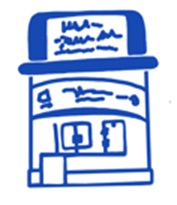
Drinking water kiosks are privately owned, drinking water vending machines that dispense water in gallon units. Sometimes water kiosks are called drinking water vending machines. These machines sell water for $0.25 to $0.35 per gallon. Kiosk water costs more than tap water. Some kiosk brands claim to remove impurities, minerals, and other contaminants from drinking water through advanced treatment processes, like reverse osmosis and carbon filters. Depending on the model of the kiosk, the machines can also dispense ice.
Kiosks in the U.S. exist in a regulatory grey space. Different states regulate kiosks differently, but in general, drinking water kiosks are less stringently regulated than tap water or bottled water. Kiosks frequently market themselves as a “safer” or “purer” alternative to tap water, even though many of them source their water from local tap water sources. Given the lack of regulatory oversight of kiosks, there are few water quality checks on these claims.
For more information on kiosks and related topics, check out our work on:
- how kiosks are (un)regulated: Strong Claims, Weak Regulation: Commercial Drinking Water and the Safe Drinking Water Act
- how drinking water quality of kiosk water compares to the quality of local tap water: Water Quality of U.S. Drinking Water Kiosks: Lead Release from “Lead-free” Plumbing after Reverse Osmosis Treatment. For more information on lead exposure in drinking water, see the Center for Health Effects of Environmental Contamination’s page on our project.
- background information on kiosks, including national analyses of how kiosk location relates to race and socioeconomic status: The Profits of Distrust.
- how concerns about tap water relate to bottled water purchasing: In Tap We (Dis)Trust: Why Customers Choose Bottled Water
- working with non-academic partners, like drinking water utilities: In Tap We (Dis)Trust: Why Customers Choose Bottled Water
Select media coverage of our research:
- KCCI Des Moines. University of Iowa study finds lead in water from standalone kiosks. (Television).
- Iowa Public Radio. University of Iowa researchers offer solutions for lead found in ice and water kiosks. (Radio).
- KCUR, NPR Midwest Newsroom. Buying water from for-profit kiosks may come with lead, research finds.
 SAMANTHA ZUHLKE
You must be logged in to post a comment.